
Content marketing strategy in 2024 is changing fast. Brands can no longer rely on publishing more content and hoping for better results. Today, success depends on creating content that is useful, easy to consume, aligned with search intent, and built for the channels where audiences spend their time.
At Made Simpler, we see four major shifts shaping content marketing in 2024: smarter use of AI, stronger video strategies, more personalized experiences, and a bigger role for user-generated content. Together, these trends are changing how businesses attract attention, build trust, and turn content into measurable growth.
How AI Is Reshaping Content Creation in 2024
AI is now a practical part of modern content marketing strategy. In 2024, it helps teams work faster, scale production, and support SEO efforts more efficiently. Businesses are using AI to speed up research, draft outlines, repurpose assets, and identify content opportunities across the funnel.
The real advantage is not automation alone. It is the ability to free up time for strategy, creativity, quality control, and brand positioning. When used correctly, AI helps marketing teams produce content more consistently while keeping their message focused.
The Right Balance Between AI and Human Expertise
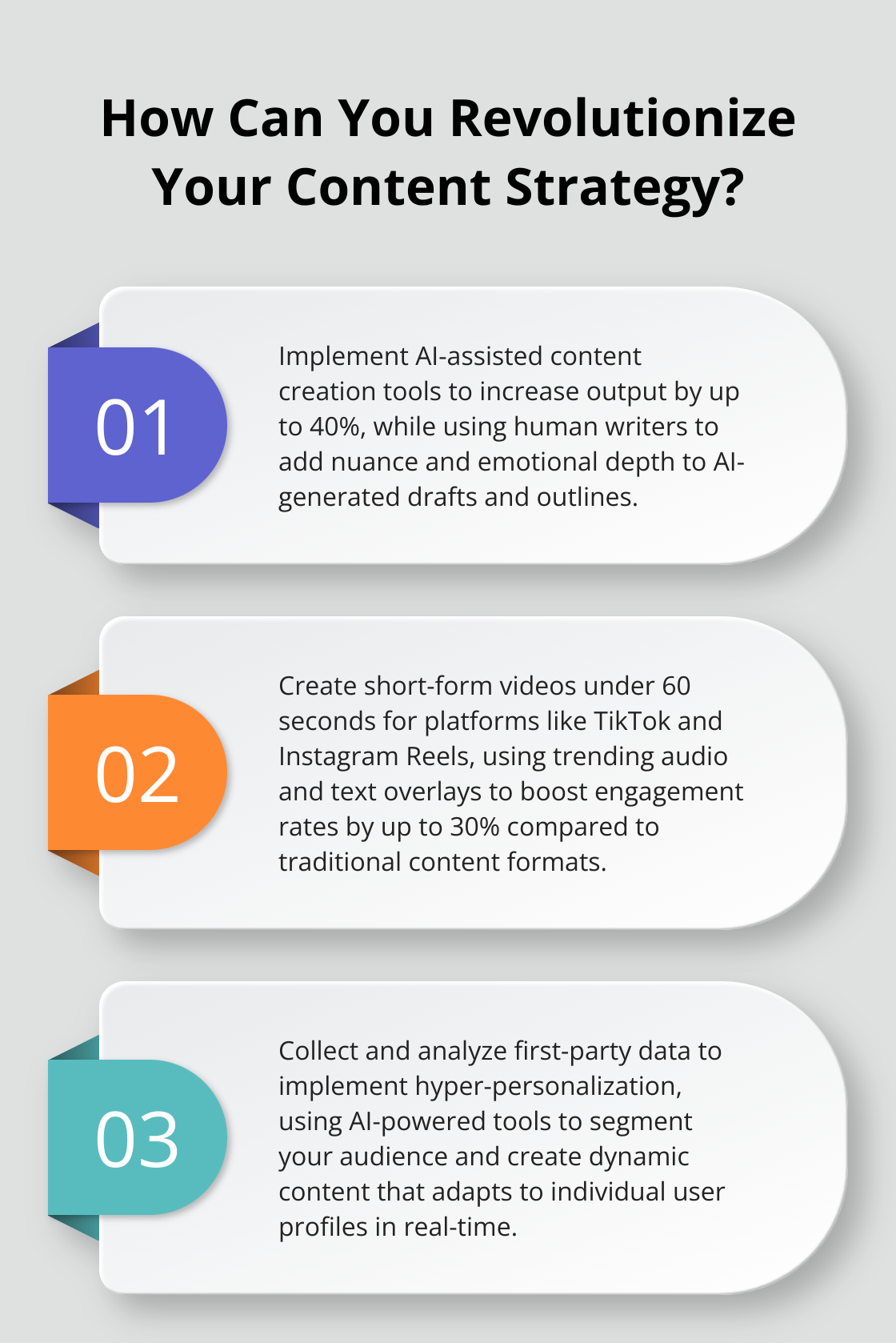
AI can generate ideas, first drafts, summaries, and content structures in minutes. Human expertise is still essential for adding clarity, tone, trust, and originality. The strongest content marketing strategy in 2024 combines both. AI supports speed and scale, while people shape the final message around audience needs and brand voice.
This balance also improves quality. Human review helps remove generic phrasing, validate claims, strengthen examples, and ensure the content sounds relevant instead of robotic.
AI and Personalization at Scale
AI also supports personalization. Brands can use it to adapt messaging for different audience segments, buying stages, and content formats. Instead of publishing one broad message for everyone, marketers can build content experiences that feel more specific and more useful.
This makes it easier to create tailored landing pages, targeted emails, segmented campaigns, and blog content that speaks to the right audience at the right moment.
AI as a Support Tool for SEO
AI is also improving SEO workflows. It can help identify keyword patterns, content gaps, related search topics, and opportunities to improve structure. For content teams, this means faster planning and better alignment between user intent, search visibility, and on-page optimization.
Still, AI should support SEO, not replace strategic thinking. Search performance improves when content is well structured, easy to read, useful to the audience, and built around topics with real business value.
Why Responsible AI Use Matters
As AI-generated content becomes more common, quality and trust matter more. Businesses should be transparent in how they use AI and apply editorial review before publishing. Accuracy, originality, and brand consistency should remain top priorities.
In 2024, the goal is not to publish more content just because AI makes it possible. The goal is to publish better content, faster, with stronger relevance and clearer value for the audience.
The Strategic Role of AI in Content Marketing
AI is no longer an experiment. It is becoming part of everyday marketing operations. Brands that use it strategically can improve efficiency, strengthen personalization, and expand content production without sacrificing quality. The opportunity is real, but the best results come from combining AI tools with clear strategy and strong human oversight.

While AI is changing how content is created, video is changing how content is consumed. That is why any strong content marketing strategy for 2024 should include a clear plan for video production, distribution, and optimization.
Why Video Content Continues to Lead in 2024
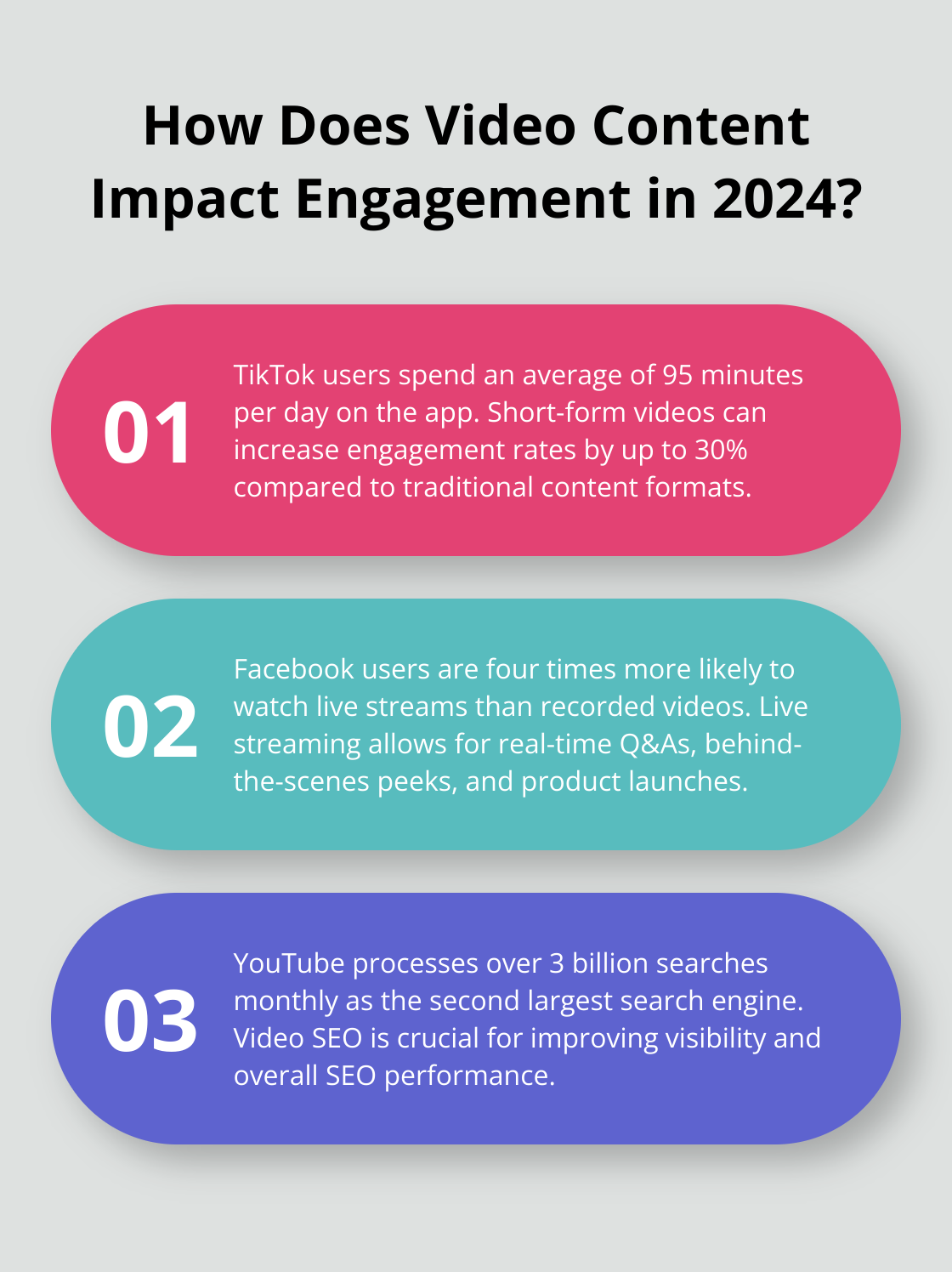
Video content is one of the most effective ways to capture attention and communicate quickly. In 2024, audiences want content that is visual, direct, and easy to consume on mobile devices. That is why video continues to outperform many traditional formats in reach, engagement, and retention.
For brands, video is no longer optional. It is a core content format that supports awareness, trust, education, and conversion across the customer journey.
Short-Form Video Remains a Major Growth Channel
Short-form video has changed digital content habits. Platforms like TikTok, Instagram Reels, and YouTube Shorts have trained users to engage with fast, high-impact content. For businesses, this creates an opportunity to communicate ideas quickly and stay visible where attention is already concentrated.
Short-form video works well for product highlights, quick insights, educational tips, brand storytelling, and thought leadership. The most effective content gets to the point early and gives users a reason to keep watching.
To improve short-form video performance:
-
Start with a strong hook in the first few seconds.
-
Keep the message focused on one idea at a time.
-
Use captions and text overlays for mobile viewers.
-
Repurpose video into multiple versions for different platforms.
Live Video Builds Stronger Real-Time Engagement
Live streaming gives brands a way to connect with audiences in a more direct and authentic format. It works well for Q&A sessions, product launches, webinars, interviews, behind-the-scenes content, and educational events.
Because it happens in real time, live video feels more human and less scripted. It can also increase interaction by encouraging comments, questions, and immediate feedback from viewers.
To get more value from live streaming:
-
Promote the session before it starts.
-
Choose a clear topic and goal for the broadcast.
-
Encourage audience participation during the session.
-
Repurpose the recording into clips, articles, and social posts.
Video SEO Is Becoming More Important
As more brands invest in video, visibility becomes more competitive. Video SEO helps content rank better on platforms like YouTube and increases the chance of appearing in search results. A strong content marketing strategy in 2024 should treat video optimization as part of the broader SEO process.
To improve video SEO:
- Use clear, keyword-focused titles and descriptions.
- Add captions and transcripts to improve accessibility and context.
- Create strong thumbnails that support click-through rate.
- Organize related videos into playlists and content hubs.
Optimized video content can improve discoverability, support organic traffic, and strengthen topical authority across your website and content channels.
Interactive Video Creates Deeper Engagement
Interactive video is also gaining traction. Formats such as shoppable video, clickable demos, guided experiences, and interactive explainers give users a more active role in the content journey. Instead of only watching, they can explore, choose, and respond.
This makes video more useful for product education, ecommerce, lead generation, and conversion-focused campaigns.
As video becomes a larger part of digital marketing, businesses that use it strategically will have a stronger chance of staying visible and relevant. The next step is making that content more personal and more trustworthy, which brings us to personalization and user-generated content.
Personalization and User-Generated Content in 2024
As content volume keeps growing, relevance matters more than ever. Audiences respond better to content that feels timely, useful, and aligned with their needs. That is why personalization and user-generated content have become such important parts of a modern content marketing strategy.
The Value of Hyper-Personalization
Hyper-personalization goes beyond using a first name in an email. It uses behavior, preferences, past interactions, and audience signals to deliver more relevant content experiences. In 2024, this approach helps brands move from broad messaging to more precise communication.
That can include personalized landing pages, segmented email content, recommended resources, dynamic product suggestions, or content tailored by industry, role, or stage in the buying process.

To implement hyper-personalization effectively:
- Use first-party data from your website, CRM, forms, and campaigns.
- Segment audiences based on behavior, interests, and intent.
- Create content offers that match different user needs and stages.
- Use automation to deliver content at the right time.
- Measure performance and refine your segmentation over time.
Why User-Generated Content Matters More
User-generated content helps brands build trust. Reviews, testimonials, customer stories, social media mentions, case examples, and unboxing videos all add real-world credibility to your message. In many cases, audiences trust content from customers more than traditional brand messaging.
That makes user-generated content valuable not only for social proof, but also for conversion support, content variety, and community building.
To use user-generated content effectively:
- Create simple ways for customers to leave reviews and feedback.
- Highlight real customer stories across your website and campaigns.
- Encourage branded social sharing through campaigns or hashtags.
- Repurpose testimonials into blog, video, and landing page content.
- Respond to customer feedback to reinforce trust and engagement.
Community Is Becoming a Strategic Asset
Community building is closely tied to both personalization and user-generated content. When brands create space for customers to participate, ask questions, share experiences, and learn from each other, content becomes more than a publishing exercise. It becomes part of a larger relationship.
Communities can live in social groups, private channels, forums, webinars, newsletter ecosystems, or brand-led education hubs. The format matters less than the value it creates. The goal is to give your audience a reason to return, engage, and contribute.
To build stronger communities through content:
- Create content that encourages discussion, not just passive reading.
- Invite customers and experts to contribute perspectives.
- Host events, Q&As, and educational sessions around shared topics.
- Recognize community members and highlight their contributions.
- Build repeat engagement through consistency and relevance.
Measure What Actually Matters
Personalization and community strategies should be measured with clear business goals in mind. Engagement matters, but so do conversion quality, retention, trust, and customer lifetime value. The best content marketing strategy in 2024 connects content performance to real outcomes, not just vanity metrics.
Track indicators such as session quality, assisted conversions, time on page, lead quality, returning users, content engagement by segment, and the performance of content by stage in the funnel. These insights help teams improve content decisions over time.
Final Thoughts
Content marketing in 2024 is not just about producing more content. It is about producing the right content in the right format, for the right audience, with the right level of relevance. AI is helping teams scale. Video is driving stronger engagement. Personalization is increasing content relevance. User-generated content is strengthening trust and authenticity.
For businesses, the opportunity is clear. A stronger content marketing strategy for 2024 should focus on useful, well-structured content that supports SEO, improves user experience, and aligns with changing audience behavior. Brands that combine innovation with clarity and authenticity will be better positioned to grow their visibility and build stronger customer relationships.
Made Simpler helps businesses adapt to this shift with services designed to improve digital performance, content quality, SEO alignment, and marketing execution. From optimized blog content and content planning to social media support and digital growth strategies, the goal is to create content that performs better and delivers real business value. Visit made-simpler.com to learn more.